
Resources For Surrogates
Surrogate Nutrition Guide: What to Eat (and Avoid) for a Healthy Surrogacy Pregnancy
January 20, 2026
Resources for Surrogates

Nutrition plays a meaningful role in every pregnancy, but during a surrogacy journey, it carries added importance. As a surrogate, your body is doing extraordinary work. Supporting it with the right nutrients helps promote hormonal balance, supports implantation and fetal development, and contributes to your own well-being throughout the process.
At GRACE, surrogate health and safety are always the priority. While every pregnancy is unique and nutritional needs may vary, there are clear, evidence-based guidelines that help create a strong foundation for a healthy surrogacy pregnancy.
This guide is designed to help you understand what to eat, what to limit, and how thoughtful nutrition supports both your body and the surrogacy journey as a whole.
Why Nutrition Matters in a Surrogacy Pregnancy
Surrogacy often involves IVF medications, hormone support, and carefully timed medical protocols. Nutrition works alongside these elements by helping the body respond effectively and recover well.
A balanced, intentional diet can help:
- Support stable progesterone and estrogen levels
- Promote steady energy and healthy weight gain
- Reduce inflammation and digestive discomfort
- Support immune health and fetal development
Rather than focusing on perfection, the goal is consistency, nourishment, and mindful choices.
Core Nutrients Every Surrogate Should Prioritize
A surrogacy-friendly diet emphasizes whole foods that provide steady nourishment without unnecessary stress on the body.
Key nutrients to focus on include:
- Protein to support tissue growth and hormone production
- Healthy fats to aid hormone balance and brain development
- Complex carbohydrates for sustained energy and digestion
- Iron and folate to support blood health and fetal development
- Calcium and vitamin D for bone strength
These nutrients are best obtained through food first, with supplements used when recommended by your medical team.
Foods That Support Hormonal Balance
Progesterone and estrogen play a central role in IVF cycles and pregnancy maintenance. While food cannot replace prescribed medications, certain foods can support the body’s natural hormonal environment.
Helpful choices include:
- Avocados, olive oil, nuts, and seeds for healthy fats
- Eggs and lean meats for protein and B vitamins
- Leafy greens for folate and magnesium
- Berries and colorful vegetables for antioxidants
Eating regular, balanced meals helps avoid blood sugar swings, which can impact how the body responds to hormones.
Common IVF and Pregnancy Supplements
Many surrogates are prescribed supplements as part of their IVF protocol or prenatal care. These are always guided by medical providers and should never be adjusted without approval.
Common supplements may include:
- Prenatal vitamins
- Folic acid or methylfolate
- Iron, if levels are low
- Vitamin D
- Omega-3 fatty acids
Always follow clinic and agency guidance, as supplement needs can differ from one surrogate to another.
Foods to Limit or Avoid During Surrogacy
Some foods and habits can interfere with hormone absorption, digestion, or pregnancy safety. Avoiding or limiting these supports a smoother experience.
It is generally recommended to:
- Avoid alcohol entirely
- Limit caffeine according to medical guidance
- Avoid raw or undercooked meats, eggs, and seafood
- Avoid unpasteurized dairy products
- Limit highly processed foods and excess added sugars
These precautions are not about restriction but about reducing unnecessary risks during a medically supported pregnancy.
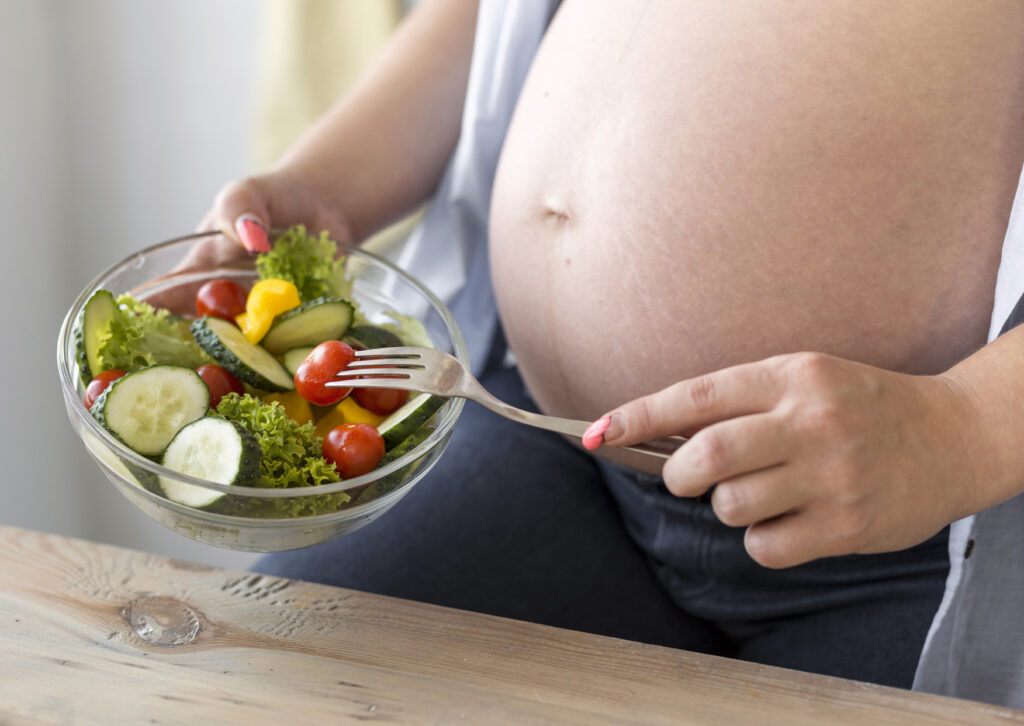
Simple Meal Ideas for a Surrogacy Pregnancy
Nutrition does not need to be complicated. Simple, balanced meals are often the most effective and sustainable.
Examples include:
- Grilled chicken or tofu with quinoa and roasted vegetables
- Greek yogurt with berries, nuts, and honey
- Oatmeal with nut butter and sliced fruit
- Salmon, brown rice, and steamed greens
Listening to hunger cues and honoring cravings in moderation is also part of maintaining a healthy relationship with food during pregnancy.
Hydration and Digestive Support
Hydration is just as important as food. Adequate fluid intake supports circulation, digestion, and medication absorption.
Helpful habits include:
- Drinking water consistently throughout the day
- Including fiber-rich foods to support digestion
- Eating smaller, balanced meals if nausea occurs
If digestive discomfort arises, your care team can help adjust nutrition strategies safely.
Guided by Safety and Support
Every surrogate’s body responds differently to pregnancy and IVF. That is why nutrition guidance should always work alongside medical recommendations, not replace them.
At GRACE, surrogates are never expected to navigate these questions alone. Nutrition, like every other part of the journey, is approached with care, education, and individualized support.
Nourishing Your Body Is Part of Honoring Your Role
Choosing surrogacy is an act of generosity, strength, and trust in your body. Caring for yourself through thoughtful nutrition is one way to honor that commitment. You are not just supporting a pregnancy. You are supporting your own health, resilience, and well-being.
If you are considering surrogacy or are already on this journey and want guidance every step of the way, the GRACE team is here to support you with knowledge, compassion, and care. Reach out to connect with us and learn how we walk beside our surrogates from preparation through postpartum and beyond.
Post Tags :
GRACE LLC., Intended Parents, International Parents, Surrogacy, Surrogacy Agency
About Us
GRACE has created a new model for surrogacy with an emphasis on quality rather than quantity, and a strategic development of services to meet the unique needs of the future parents and the surrogates.
- 310 S. Twin Oaks Valley Rd. #107-374. San Marcos, CA 92078-4387
Useful Links
Resources for Surrogates
- BECOME A SURROGATE MOTHER
- FUTURE PARENTS
- GESTATIONAL SURROGACY
- HOW TO BECOME A SURROGATE MOTHER
- RESOURCES FOR SURROGATES
- SURROGACY AGENCIES NEAR ME
- SURROGACY AGENCY
- SURROGACY COST
- SURROGACY IS
- SURROGATES
- WHAT YOU NEED TO KNOW ABOUT SURROGACY
- REQUIREMENTS FOR SURROGACY
- HOW DO I BECOME A SURROGATE IN CALIFORNIA
- IS IT LEGAL TO BE A SURROGATE IN CALIFORNIA?
- WHAT IS THE AGE LIMIT FOR SURROGATES?
- GESTATIONAL SURROGATE MOTHER CARRIER
- SURROGATE MATERNITY
- SURROGATE COMPANIES
- DISCOVER THE BEST SURROGACY AGENCIES
- COMPENSATED SURROGACY
Become a surrogate in the United States of America
- Alabama
- Alaska
- Arizona
- Arkansas
- California
- North Carolina
- South Carolina
- Colorado
- Connecticut
- North Dakota
- South Dakota
- Delaware
- Florida
- Georgia
- Hawaii
- Idaho
- Illinois
- Indiana
- Iowa
- Kansas
- Kentucky
- Louisiana
- Maine
- Maryland
- Massachusetts
- Michigan
- Minnesota
- Mississippi
- Missouri
- Montana
- Nebraska
Nevada - New Hampshire
- New Jersey
- New York
- New Mexico
- Ohio
- Oklahoma
- Oregon
- Pennsylvania
- Rhode Island
- Tennessee
- Texas
- Utah
- Vermont
- Virginia
- West Virginia
- Washington
- Wisconsin
- Wyoming